AUGUST 18, 2025
EBME Expo 2025 Thought Leadership Session: Driving Innovation, Skills, and Collaboration in Healthcare Technology
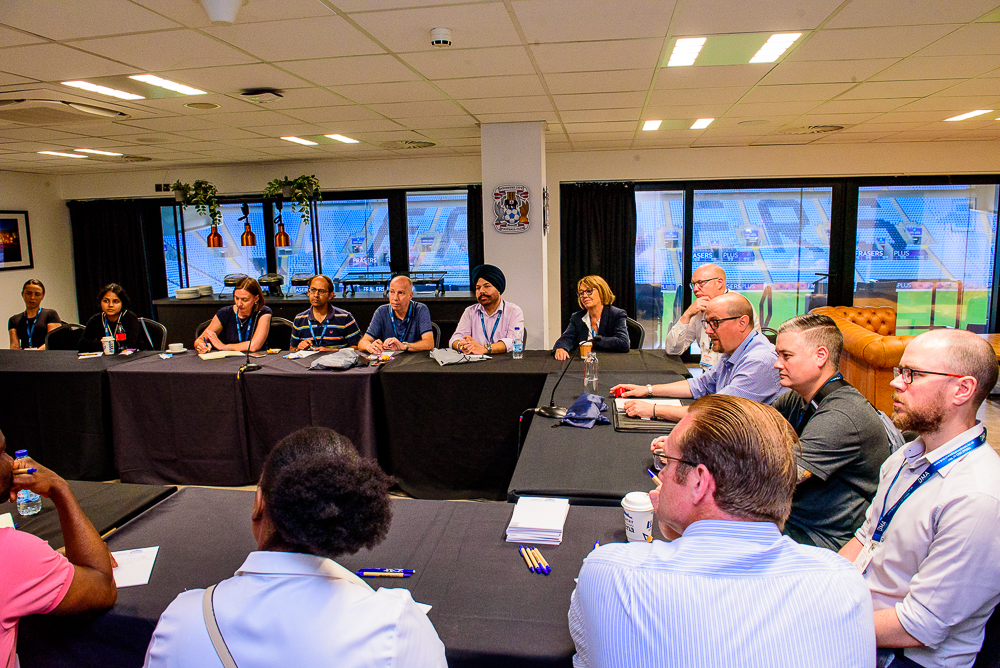
The EBME Expo has always been more than just an exhibition floor—it’s a meeting place for the people shaping the future of healthcare technology. This year’s Boardroom Session, running for just over 70 minutes, set the tone for what EBME Expo 2025 is all about: bringing experts together to solve real-world challenges.
The discussion drew a wide mix of voices from across the sector—clinical engineers, suppliers, NHS leaders, and policymakers. Despite the variety of perspectives, three clear themes stood out: the workforce of the future, the smarter adoption of technology, and the power of collaboration.
Building the Workforce of the Future
The session began with an honest look at workforce challenges. Many participants highlighted that biomedical and clinical engineering teams are stretched thin, with too many vacancies and too few pathways for new entrants. Without investment in people, they warned, the NHS and wider healthcare system will struggle to maintain even today’s service levels—let alone adopt new technology.
Several solutions were put forward:
- Structured career pathways that give engineers a reason to stay and grow.
- Apprenticeships and mentoring programmes to attract younger talent into the sector.
- Leadership opportunities to ensure engineers can progress into decision-making roles.
One delegate captured the mood perfectly: “It’s not just about filling posts—it’s about creating a profession that people want to join, stay in, and lead.”
Smarter Use of Technology
Technology is transforming healthcare, but the session made it clear: adoption has to be smarter, not just faster.
Delegates shared examples of how connected devices, hospital-wide tracking systems, and AI-driven monitoring tools are already improving efficiency and patient care. However, the big challenge is integration.
Hospitals are complex ecosystems where a new device or system can’t succeed in isolation. To deliver value, technology needs to:
- Be interoperable with existing systems.
- Come with training and support so staff can use it effectively.
- Be introduced in a way that doesn’t overwhelm already stretched teams.
As one participant noted: “Buying the technology is the easy part—embedding it into clinical practice is where the hard work begins.”
Collaboration Across the Ecosystem
If one message came through most strongly, it was this: collaboration is non-negotiable.
The Boardroom participants were clear that the future of healthcare engineering depends on breaking down silos between engineers, clinicians, suppliers, regulators, and policymakers. Too often, these groups work in isolation, slowing down progress and leaving opportunities untapped.
Forums like EBME Expo provide a rare space for these conversations to happen openly. By sharing best practice, aligning expectations, and building partnerships, the sector can overcome barriers and accelerate innovation.
Looking Ahead
The Boardroom Session ended on a note of optimism. Yes, there are real challenges: workforce gaps, financial pressures, and the complexity of new technology. But there is also a strong sense of purpose and possibility.
With investment in skills, thoughtful adoption of technology, and a spirit of collaboration, healthcare engineering has the potential to drive transformative change—improving outcomes for patients while building a more resilient healthcare system.
EBME Expo 2025 is proof of that momentum. It’s not only an exhibition, but a platform for thought leadership, shared learning, and collective action.
